When people search for cotton yoga mats, they are usually looking for something more personal than a standard exercise mat. They want a surface that feels good under their hands, supports a slower and more grounded practice, and reflects the values that brought them to yoga in the first place: presence, care, and a little more awareness in daily life.
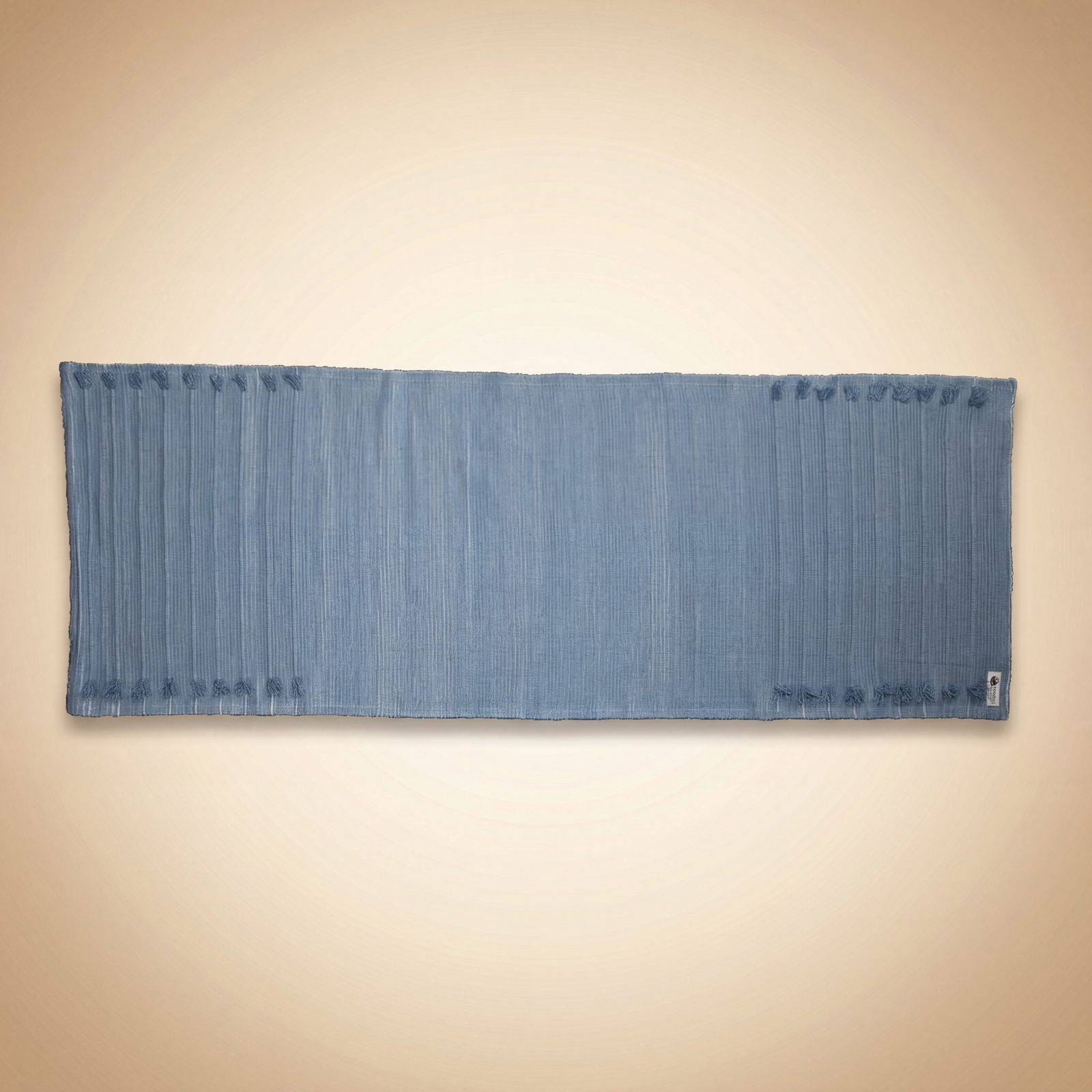
That is the idea behind the Kaya Heritage collection. Each rug is handloomed with organic cotton yarns and dyed with Ayurvedic herbs — no PVC, no plastic top layers, no synthetic finishes. Just breathable cotton, artisan craft, and plant-based color.
Here is why that material story matters, from the fiber itself to the way the mat feels in practice.
What is a certified organic cotton yoga mat?
A certified organic cotton yoga mat is made with cotton grown and verified under an organic standard. Under the Global Organic Textile Standard (GOTS) — the leading worldwide standard for organic fibers — cotton is grown without synthetic pesticides, herbicides, or GMOs, and third-party certification verifies the chain of custody through the textile supply chain.
That matters because "organic" should mean more than a natural mood. A real certification gives the claim structure. It answers the questions thoughtful shoppers are already asking: What is the fiber made from? How was it grown? Is there third-party verification? Does the product avoid unnecessary synthetic materials?
Kaya Heritage rugs are designed for exactly that kind of practitioner: someone who wants a mat that feels close to nature, but still feels beautiful, useful, and intentional in everyday practice.
Why cotton feels different from synthetic mats
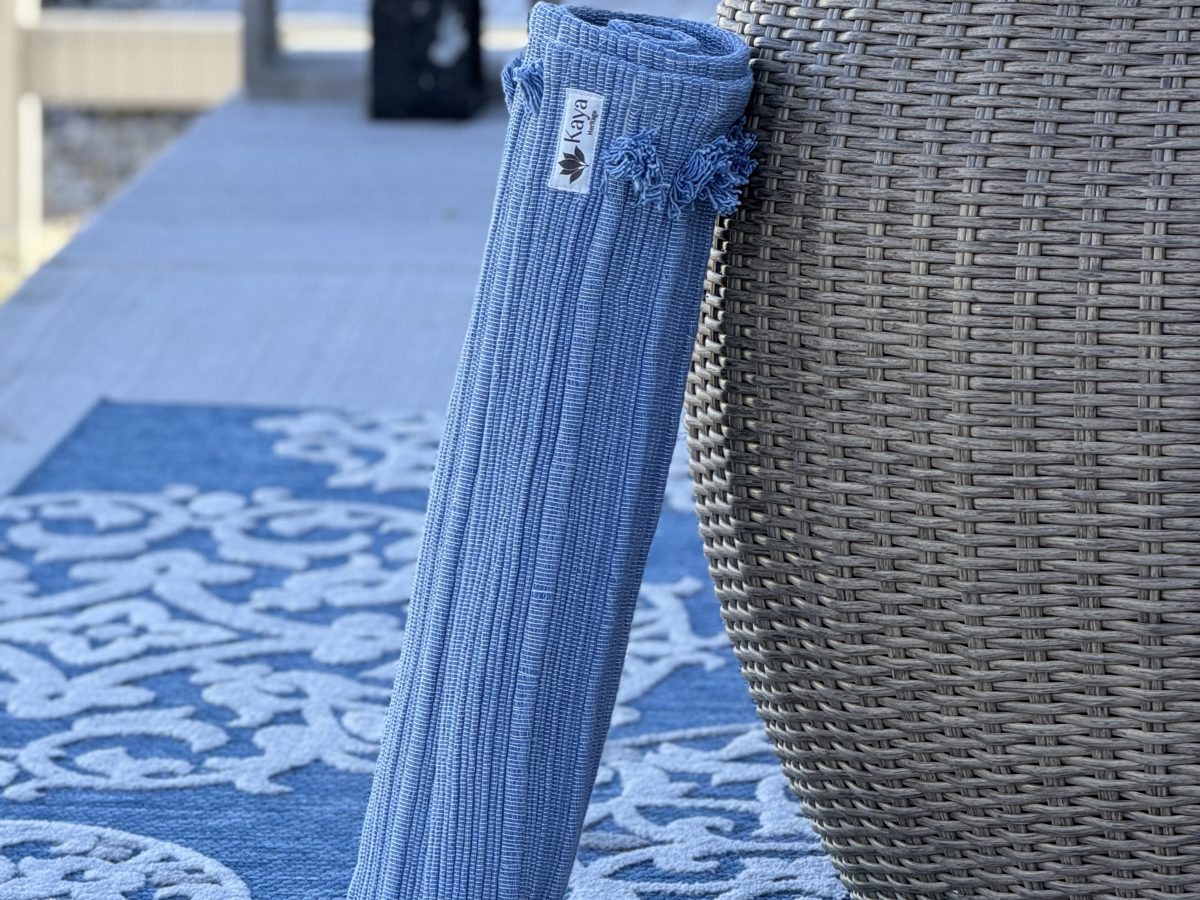
The first thing you notice about a cotton yoga mat is the feel. Cotton is soft, breathable, and familiar against the skin. It has none of the rubbery, foamy, or plastic-like surface of conventional mats — and that small tactile difference can shift the whole tone of a practice.
For slow flow, restorative yoga, meditation, and breathwork, cotton creates a warmer, more textile-based surface. The weave adds subtle texture, absorbs moisture instead of pooling it, and — the reason Mysore-style and Ashtanga practitioners have trusted cotton rugs for generations — traction improves as the cotton dampens.
Hand-loomed construction adds another layer. A handloomed rug carries quiet signs of craft: the rhythm of the weave, the texture under your palms, and the sense that someone made this piece with attention rather than stamping out a perfectly identical surface at scale.
The environmental case for organic cotton
Cotton is one of the world's most widely used natural fibers, but conventional cotton can come with real environmental costs. Textile Exchange notes that conventional cotton production can be chemically intensive, with pesticides and synthetic fertilizers affecting soil, water, nearby communities, and surrounding ecosystems.
Organic cotton addresses this closer to the source, removing many of the synthetic agricultural inputs used in conventional growing. In certified systems, the focus is not only the finished fabric — it is the farming behind the fiber: soil health, biodiversity, and farming communities.
That feels especially relevant for yoga products. A mat is not something distant from the body. It is where your hands, feet, face, and breath meet the material, practice after practice.
Why herbal dyes matter
Textile dyeing is a major part of the sustainability conversation. The United Nations Environment Programme identifies wet processing — bleaching, dyeing, and finishing — as one of the most impactful stages of the textile value chain, and research in Nature Reviews Earth & Environment notes that dye-laden wastewater causes real environmental harm when poorly managed.
That does not mean color is the problem. It means how color is made matters.
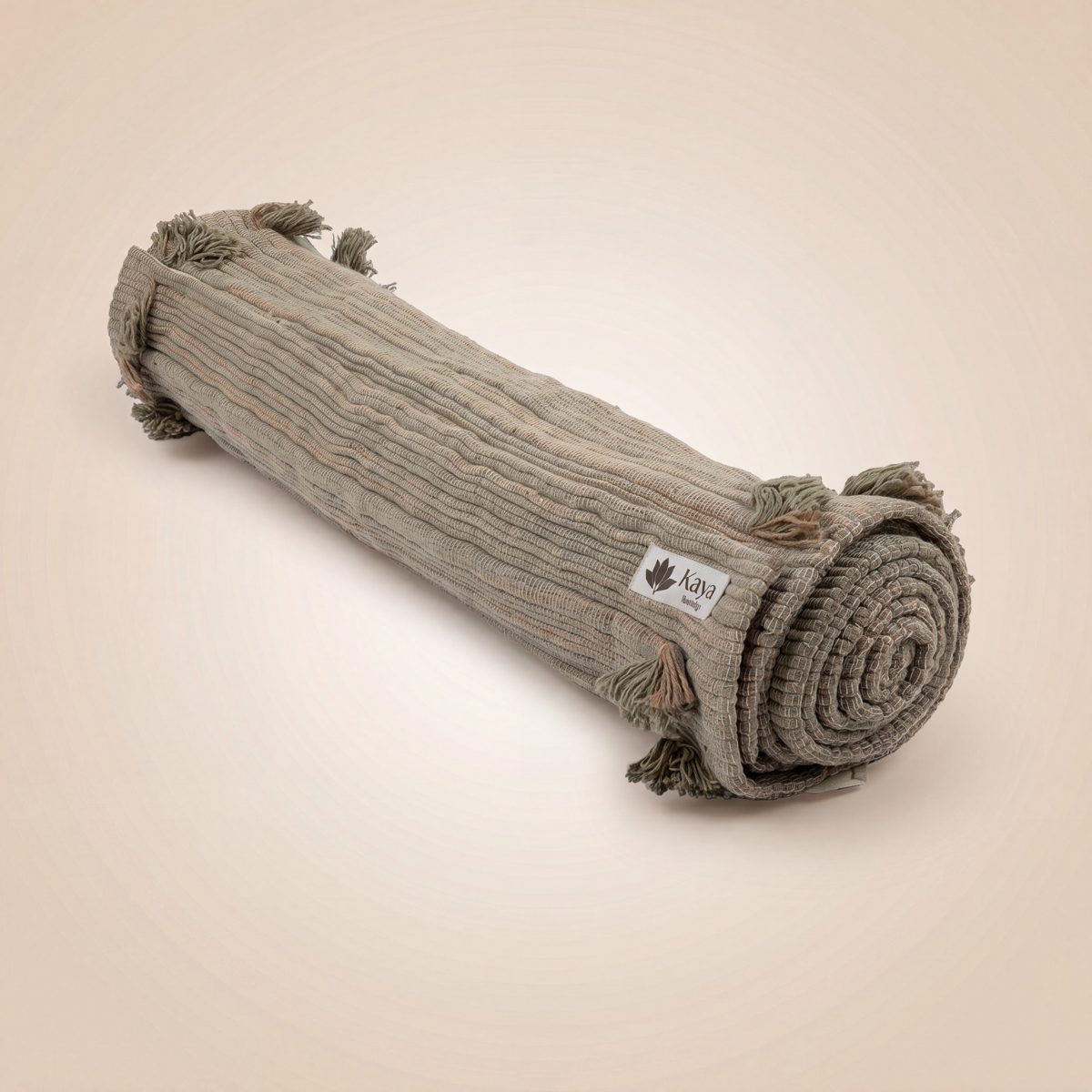
Heritage rugs are dyed with Ayurvedic herbs — a tradition in which color comes from plants and minerals rather than conventional synthetic dye systems. The tones are softer and earthier: the rose of Mula Rose, the herbal green of Anaha, the deep indigo-leaning blue of Vishu. The mat is not simply colored to look nice; its color is part of a slower, more conscious way of making wellness goods.
A plastic-free alternative for a mindful practice
Many conventional yoga mats are made with synthetic materials — some with PVC (vinyl). The U.S. Environmental Protection Agency notes that phthalates are widely used as plasticizers in PVC products, and that it is concerned about phthalates because of toxicity and widespread human and environmental exposure.
That helps explain why so many people now search for a non-toxic yoga mat, plastic-free yoga mat, or natural yoga mat. They are not only looking for grip — they want fewer questionable materials in the products closest to their bodies.
Kaya's material philosophy is simple: natural materials, no plastic, no PVC. The Heritage collection lives that philosophy through organic cotton and herbal dyes; our cork yoga mats do the same with sustainably harvested Portuguese cork. Read more on our sustainability page.
Six benefits of a Heritage cotton yoga rug
- Organic cotton yarns. Organic cotton reduces reliance on synthetic pesticides, herbicides, and GMOs in the fiber supply chain — material integrity, not just a mood.
- Naturally beautiful color. Ayurvedic herbal dyes create tones that feel grounded and subtle — elevated without ever looking loud or manufactured.
- Hand-loomed character. Each rug passes through a handloom, giving it a textile quality no machine-made synthetic mat has. It feels like a ritual object, not gym equipment.
- Breathable comfort. Soft, natural cotton against the skin makes Heritage rugs especially suited to meditation, restorative practice, gentle yoga, and breathwork.
- A conscious alternative to PVC. For anyone moving away from plastic in their practice, cotton offers a fully fiber-based path — no synthetic top layer at all.
- Made for people who care what touches the body. Products this close to your skin deserve better materials and fewer unnecessary chemicals. That belief is the whole brand.
Cotton vs. synthetic yoga mats
| Feature | Kaya Heritage cotton rug | Conventional synthetic mat |
|---|---|---|
| Surface feel | Soft, breathable, textile-based | Rubber-like, foam-like, or plastic-like |
| Materials | Organic cotton yarns, herbal dyes | Often PVC, TPE, or other synthetics |
| Color | Dyed with Ayurvedic herbs | Synthetic dyes or printed surfaces |
| Best for | Meditation, restorative, slow flow, Mysore-style practice | Gym use and general fitness, depending on material |
| End of life | Natural fiber returns to the earth | Sheds microplastic; most end in landfill |
If your practice is very sweaty or fast-paced, layer a cotton rug over a grippy base — or choose a cork mat built for hot yoga. The best yoga mat is not one-size-fits-all; it is the mat that supports the way you actually practice.
How to care for a cotton yoga rug
- Shake it out after practice and air it in the shade.
- Let it dry fully before storing — avoid leaving it damp or tightly rolled.
- Hand wash, or machine wash on a gentle, cold cycle with mild detergent.
- Air dry flat in a shaded, ventilated spot; skip the dryer.
- Keep herbal-dyed colors away from harsh detergents, bleach, and prolonged direct sun.
Natural fibers age differently than synthetics. Over time the surface softens and takes on more character — that is part of the beauty of a textile-based mat.
The five colorways
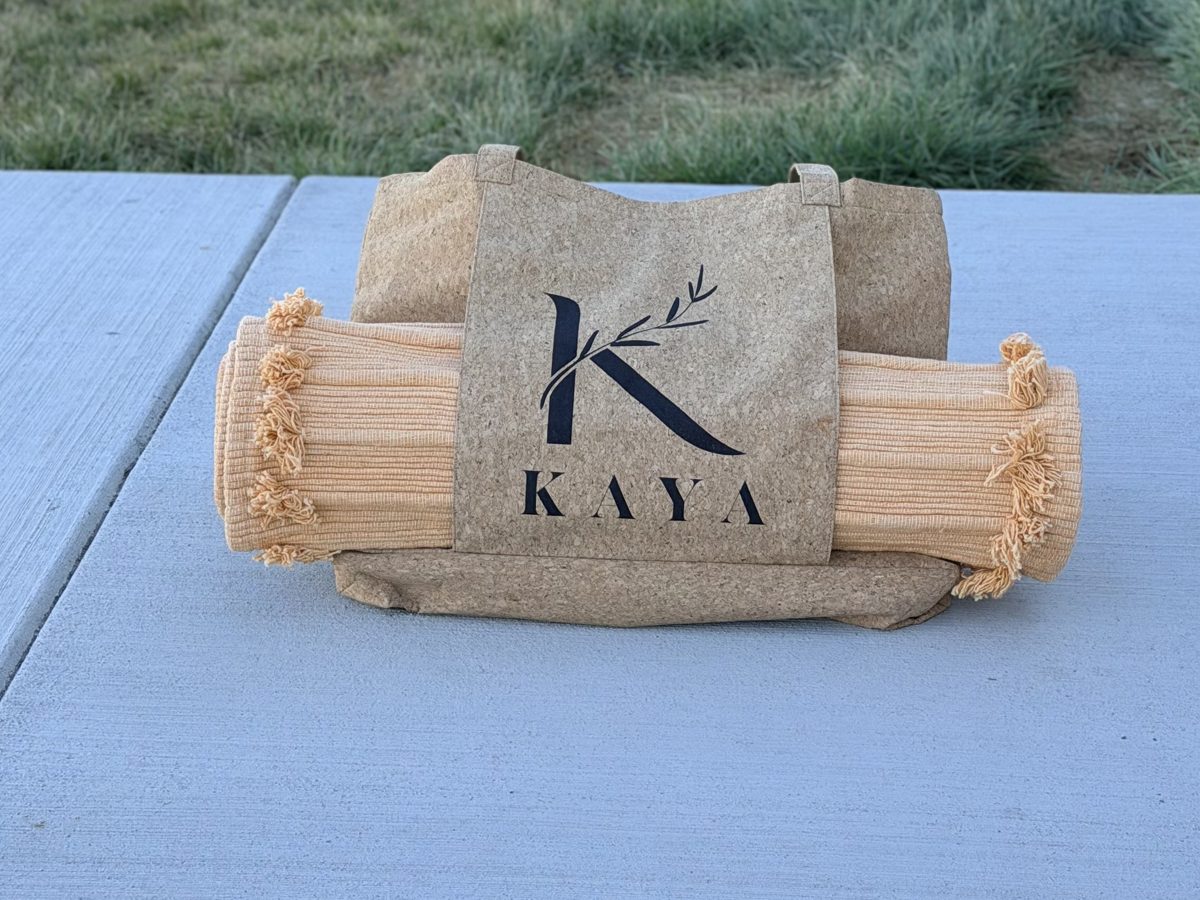
The Heritage collection comes in five herbal-dyed colorways: Mula Rose, Savdi Orange, Anaha Green, Vishu Blue, and Saha Rainbow. Pair yours with a cotton yoga strap for a fully woven, plastic-free setup.
Choose the color that feels like home
Handloomed with organic cotton yarns, dyed with Ayurvedic herbs — made for a slower, softer, more connected practice.
Shop Kaya Heritage Yoga RugsFrequently asked questions
Are cotton yoga mats good for yoga?
Yes — especially for meditation, restorative yoga, breathwork, gentle yoga, and slow flow. They offer a soft, breathable, natural surface many practitioners prefer over plastic or foam mats, and traction improves as the weave absorbs a little moisture.
What are the benefits of an organic cotton yoga mat?
Organic cotton is grown without synthetic pesticides, herbicides, or GMOs, verified by third-party certification such as GOTS. It feels soft and breathable against the skin — and at the end of its long life it returns to the earth as fiber, not microplastic.
What is a herbal dyed yoga mat?
A mat colored with plant-based dyes rather than conventional synthetic dye systems. Kaya Heritage rugs are handloomed with organic cotton yarns and dyed with Ayurvedic herbs, giving each colorway a soft, earthy tone.
Are cotton yoga mats non-toxic?
Cotton mats avoid the materials most shoppers worry about: PVC, plastic top layers, and synthetic finishes. Heritage rugs are built entirely around organic cotton yarns and Ayurvedic herbal dyes — no plastics, no foams, no coatings.
Are Kaya Heritage rugs good for hot yoga?
Cotton rugs are the traditional surface for sweaty Mysore-style and Ashtanga practice — grip improves as the cotton dampens. For very hot, fast-paced classes, our cork yoga mats may be the better fit, since cork's grip strengthens with sweat.
Sources
- Global Organic Textile Standard (GOTS) — certification requirements for organic fibers.
- Textile Exchange — environmental impacts of conventional vs. organic cotton.
- UN Environment Programme — sustainability in the textile value chain.
- Nature Reviews Earth & Environment — environmental impacts of textile dyes.
- U.S. EPA — risk management for phthalates used in PVC.